
 Dr. Karzan Abdullah
ClinicDr. Karzan Mohammed Abdullah
Patient food guide
CKD food guide
A kidney-friendly diet starts with less salt and enough nutrition. Potassium, phosphate, protein and fluid targets depend on your blood tests, kidney function and whether you have dialysis.
Make it work day to day
Start with your latest potassium and phosphate results, kidney stage and dialysis status. Ask your renal dietitian to translate them into portions.
- Use herbs, lemon and spices rather than salt or stock cubes. Read sodium and phosphate-additive labels.
- Agree a daily fluid target only if needed. Do not carry over a high-protein weight loss diet into a kidney diet without review.
What to eat more often
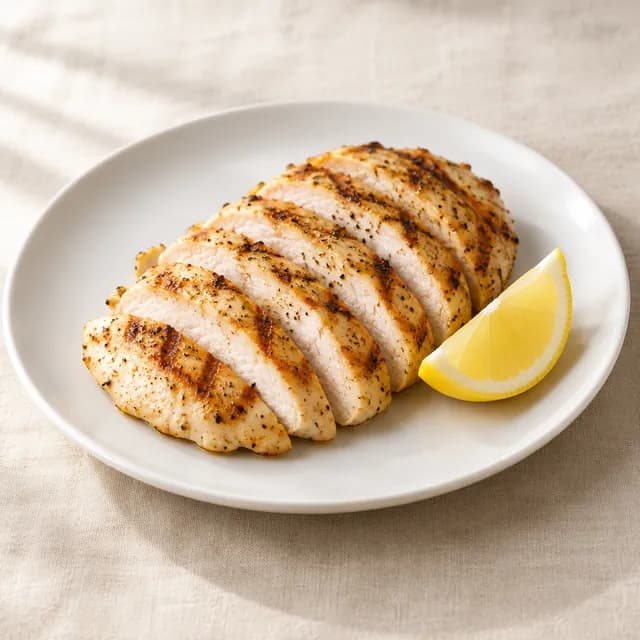 Fresh home-cooked food without added salt
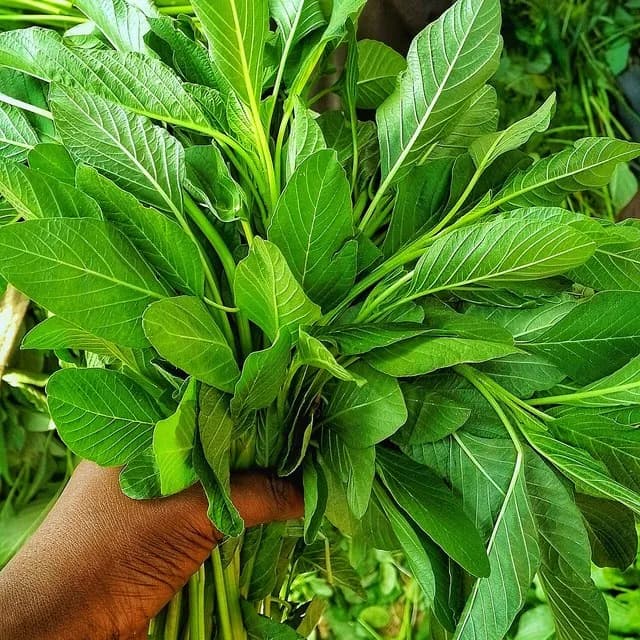 Vegetables chosen to fit your potassium results
 Fruit portions matched to your potassium plan
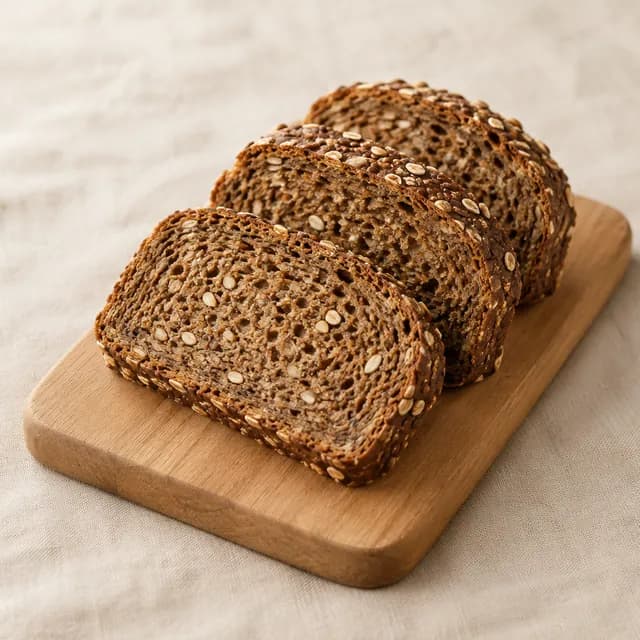 Grains in portions suited to your blood results
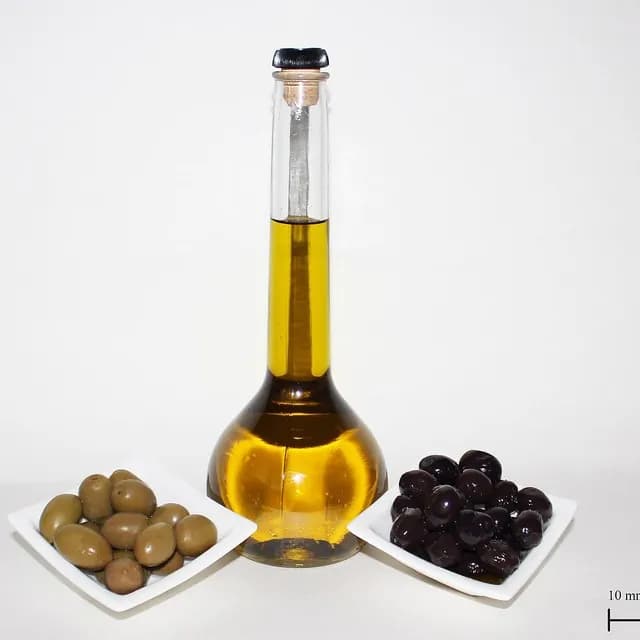 Small amounts of olive oil
 The protein portion agreed with your kidney team
What to limit or avoid
 Processed and cured meat
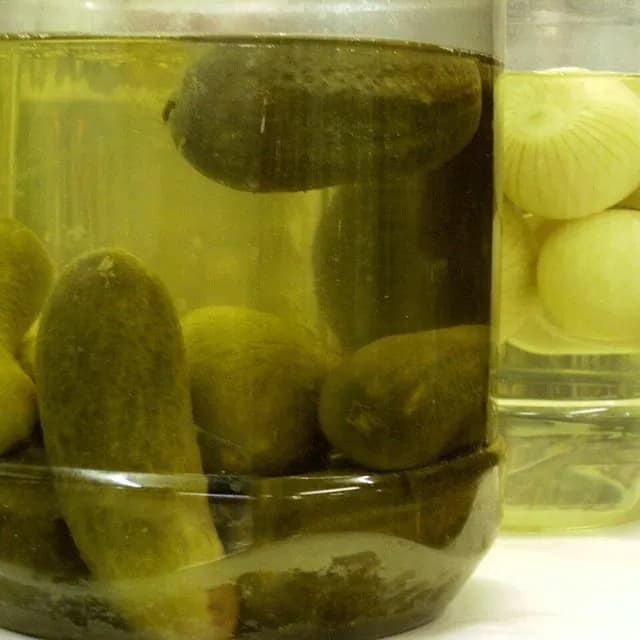 Salty pickles, stock cubes and sauces
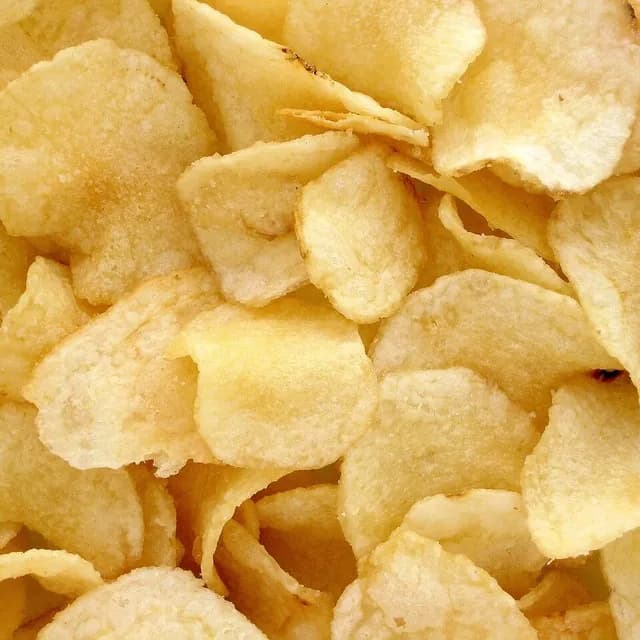 Salted crisps and snacks
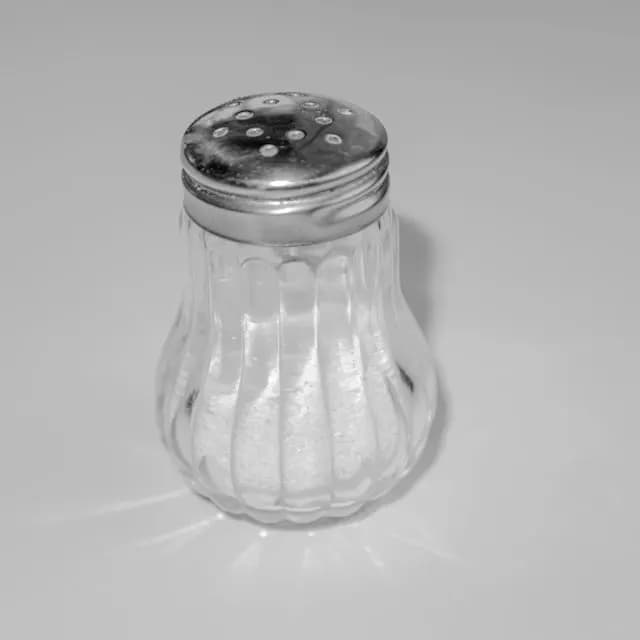 Potassium-based salt substitutes unless approved
 Phosphate additives: check ingredients for “phos”
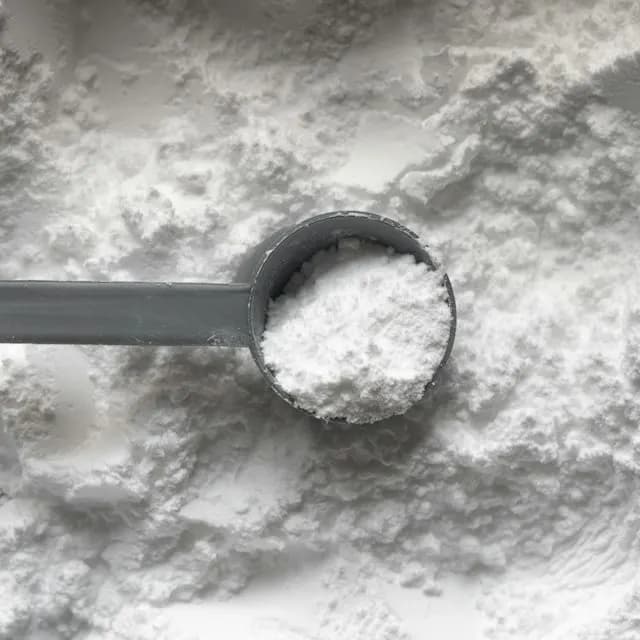 High-protein powders or herbal supplements without approval
A sample day
- BreakfastEgg on lower-salt toast with a fruit portion that fits your potassium plan.
- LunchHome-cooked chicken, a measured grain portion and vegetables chosen with your renal dietitian.
- SnackA fruit portion agreed with your renal dietitian, within your potassium plan.
- DinnerFish or a plant-protein alternative in your agreed portion, with suitable vegetables and no added salt.
Everyday tips
- Start with your latest potassium and phosphate results, kidney stage and dialysis status. Ask your renal dietitian to translate them into portions.
- Use herbs, lemon and spices rather than salt or stock cubes. Read sodium and phosphate-additive labels.
- Agree a daily fluid target only if needed. Do not carry over a high-protein weight loss diet into a kidney diet without review.
- These lists are a starting point. Portions and personal tolerance matter.
When to see the doctor
- Ask for a renal dietitian if potassium or phosphate is high, appetite is poor or you are losing weight.
- Review swelling, rising blood pressure, persistent nausea or reduced urine with your kidney team.
- Get new protein and fluid targets when starting dialysis or if your kidney function changes.
Urgent: Severe breathlessness, chest pain, fainting, new palpitations or marked muscle weakness need urgent care. A critically high potassium result needs immediate medical advice even without symptoms.
General advice for adults. It does not replace the advice of your own doctor or dietitian, especially if you have kidney disease or take several medicines. Do not stop or change a medicine without asking your doctor.
Why these choices?
- Less sodium helps manage blood pressure and fluid retention. Fresh, minimally processed meals make it easier to control salt.
- Not everyone with CKD needs low potassium or low phosphate. Restrict these only when blood tests or your kidney team indicate it; potassium-based salt substitutes can be unsafe.
- Protein needs depend on stage and treatment. People on dialysis often need more protein than people with CKD who are not on dialysis. Avoid high-protein diets without review.
- Fluid limits depend on swelling, urine output and treatment. Do not force extra water or restrict it on your own. If you also have diabetes, plan carbohydrate portions with your renal dietitian.
References
Scan to open this guide
Point your phone camera at the code to read this guide again or share it with your family.
drkarzan.com/de/guides/ckd-food
Clinic phone numbers
- Korek:+964 750 135 8788
- Asia:+964 773 135 8787
Dr. Karzan Mohammed Abdullah's clinic · Zanko Hospital, Erbil