
 Dr. Karzan Abdullah
ClinicDr. Karzan Mohammed Abdullah
Patient food guide
IBD food guide
Crohn’s disease and ulcerative colitis need a nutrition plan that changes with disease activity. Eating well supports treatment; diet changes do not replace your IBD medicines.
Make it work day to day
During a flare: try smaller, more frequent meals and softer cooked foods if these are easier to tolerate. Contact your IBD team rather than relying on diet changes alone.
- In remission: gradually return to a varied diet, including vegetables and whole grains as tolerated. Avoid long-term fibre restriction unless your team advises it.
- With a narrowing, stoma or ongoing diarrhoea, ask for individual advice on food texture, salt and fluids.
What to eat more often
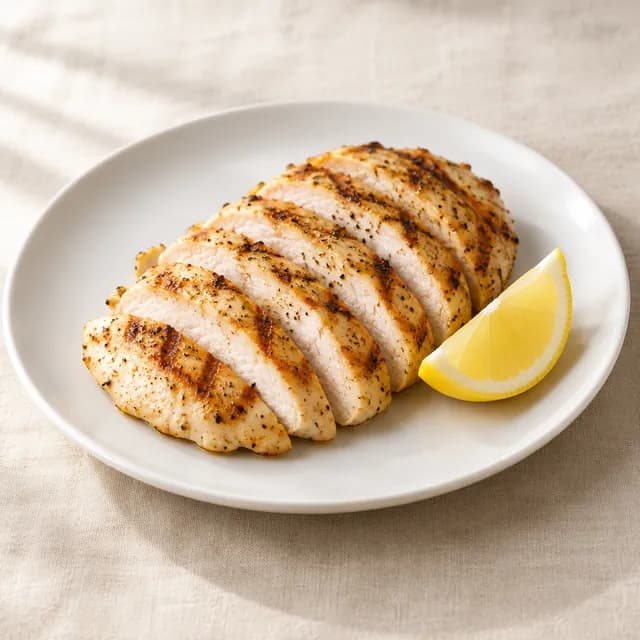 Fish, eggs or tender chicken
 Soft peeled potatoes or rice during a flare, if tolerated
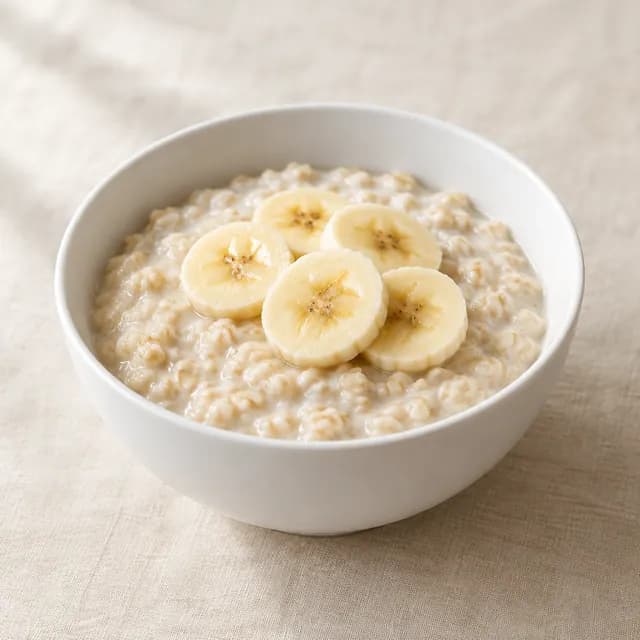 Whole grains in remission, as tolerated
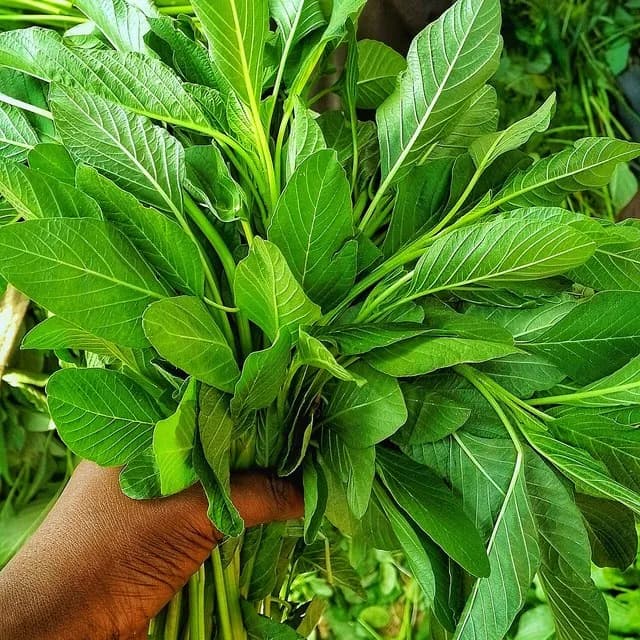 Varied fruit and vegetables in remission
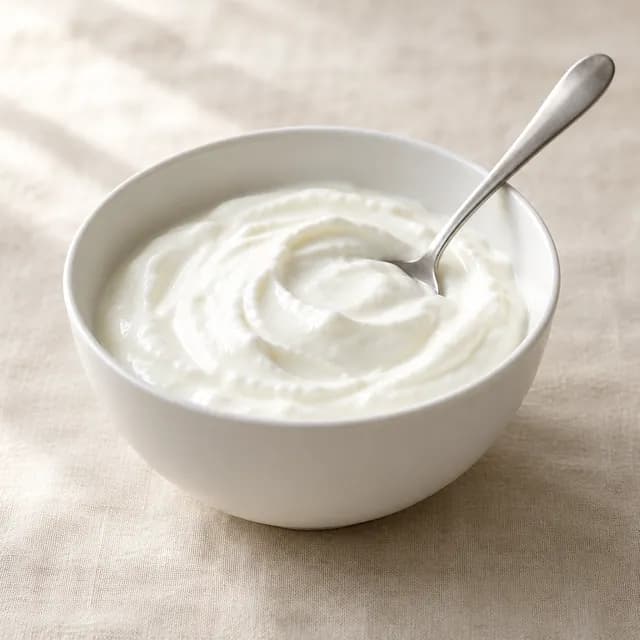 Yogurt or lactose-free dairy if tolerated
 Fluids and an agreed rehydration plan
What to limit or avoid
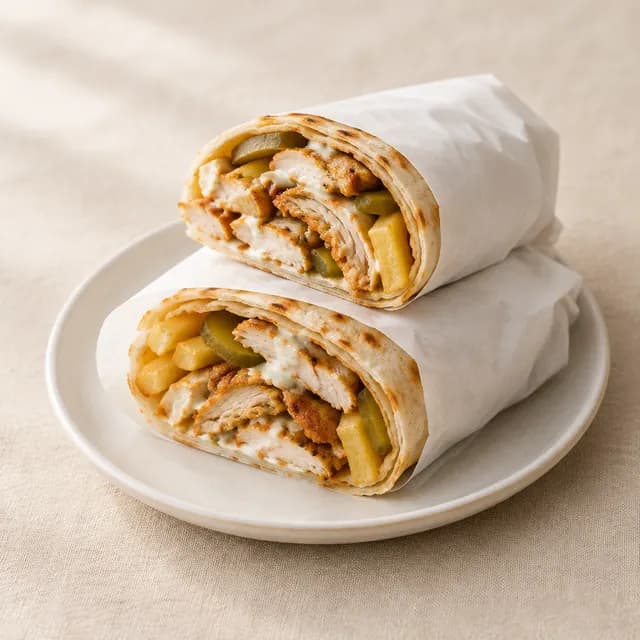 Greasy or spicy food if it worsens symptoms
 Alcohol if it worsens symptoms
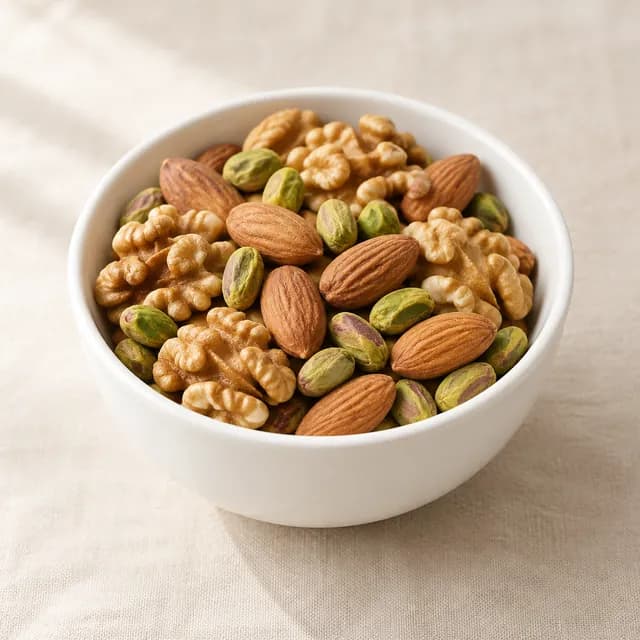 Whole nuts and rough fibre with a stricture: ask your team
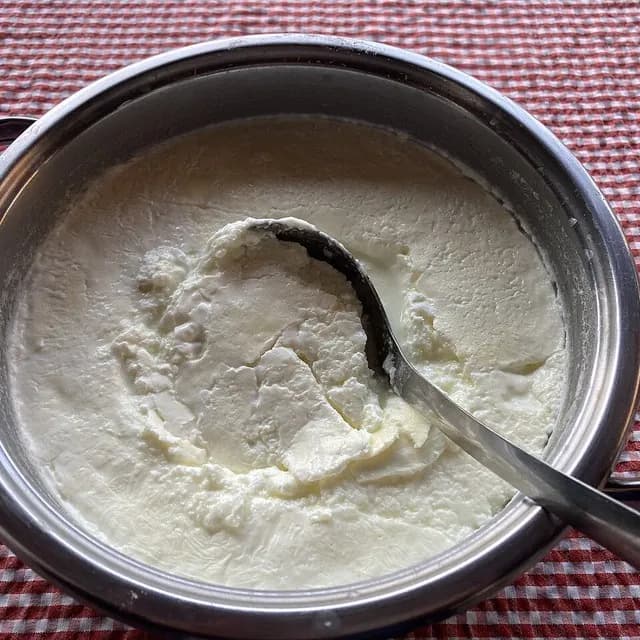 Lactose only if poorly tolerated
 Long-term restrictive diets without support
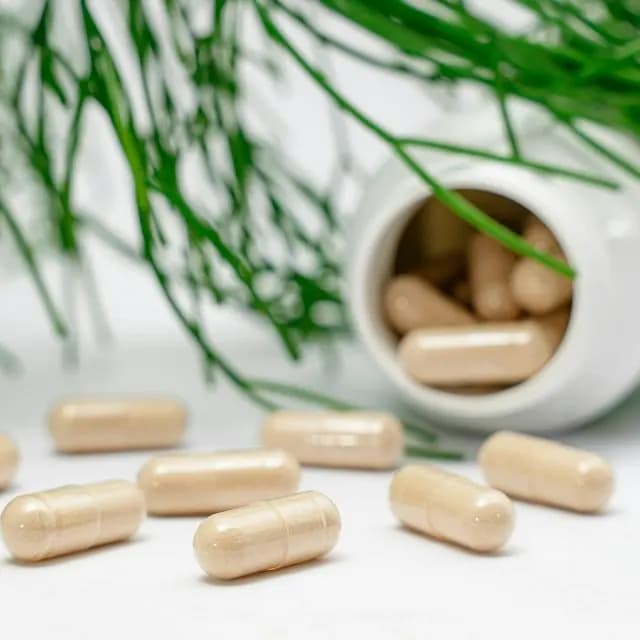 Herbal remedies or supplements without checking
A sample day
- BreakfastScrambled eggs, a small portion of rice and soft cooked carrots, if tolerated.
- LunchTender chicken with mashed peeled potato; adjust texture if you have a stricture.
- SnackA small snack you tolerate, such as plain or lactose-free yogurt.
- DinnerFish, bulgur and cooked vegetables, or another varied balanced meal you tolerate.
Everyday tips
- During a flare: try smaller, more frequent meals and softer cooked foods if these are easier to tolerate. Contact your IBD team rather than relying on diet changes alone.
- In remission: gradually return to a varied diet, including vegetables and whole grains as tolerated. Avoid long-term fibre restriction unless your team advises it.
- With a narrowing, stoma or ongoing diarrhoea, ask for individual advice on food texture, salt and fluids.
- These lists are a starting point. Portions and personal tolerance matter.
When to see the doctor
- Contact your IBD team for more diarrhoea, blood, night symptoms, weight loss or difficulty eating.
- Ask about iron, vitamin B12, vitamin D and nutrition review if intake is poor or you are losing weight.
- With a stricture, stoma or previous bowel surgery, get an individual diet and fluid plan.
Urgent: Severe abdominal pain with swelling or repeated vomiting, heavy bleeding, fever with worsening symptoms, or inability to keep fluids down needs urgent assessment.
General advice for adults. It does not replace the advice of your own doctor or dietitian, especially if you have kidney disease or take several medicines. Do not stop or change a medicine without asking your doctor.
Why these choices?
- IBD causes intestinal inflammation; it is different from IBS. No single avoid-food list suits every patient or every phase.
- In remission, aim for varied Mediterranean-style meals as tolerated. During a flare, softer textures and temporarily less rough fibre may make eating easier, without necessarily treating the inflammation.
- Strictures may need a modified-fibre plan. Dairy only needs restriction if not tolerated; unnecessary exclusions can worsen malnutrition. Continue prescribed treatment and ask your team before specialised diets.
References
Scan to open this guide
Point your phone camera at the code to read this guide again or share it with your family.
drkarzan.com/de/guides/ibd-food
Clinic phone numbers
- Korek:+964 750 135 8788
- Asia:+964 773 135 8787
Dr. Karzan Mohammed Abdullah's clinic · Zanko Hospital, Erbil