
 Dr. Karzan Abdullah
ClinicDr. Karzan Mohammed Abdullah
Patient food guide
Diabetes food guide
Food choices, portions and regular meals can help manage blood sugar alongside your prescribed treatment. Use the food columns as a quick guide, then plan balanced meals below.
Build your plate
Use a regular dinner plate. Fill half with non-starchy vegetables, one quarter with lean protein and one quarter with a fibre-rich carbohydrate. Choose water alongside your meal.
- ½ vegetables: salad, cucumber, tomatoes, greens or cooked vegetables.
- ¼ protein: fish, skinless chicken, eggs or tofu.
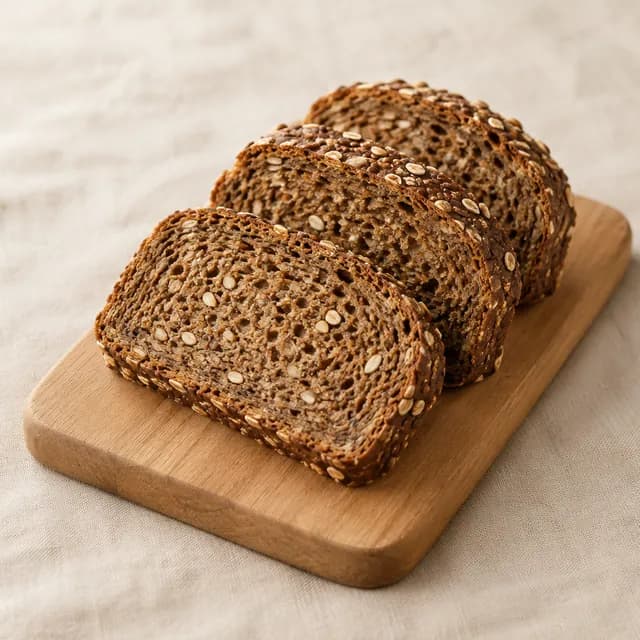
- ¼ carbohydrate: a small portion of bulgur, oats or wholegrain bread. Beans and lentils also count towards your carbohydrate portion.
What to eat more often
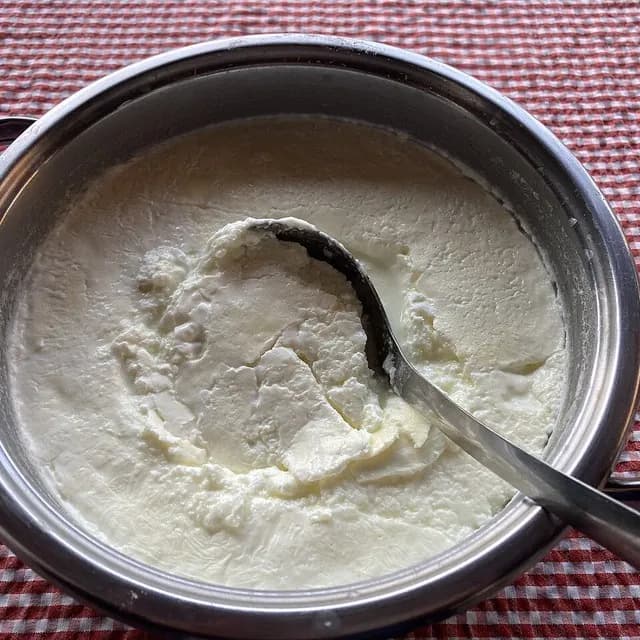 Plain unsweetened yogurt
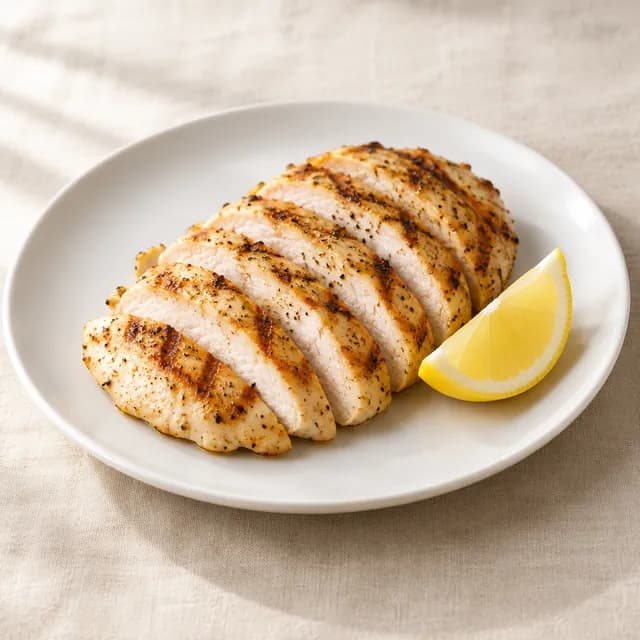 Skinless chicken
 Fish
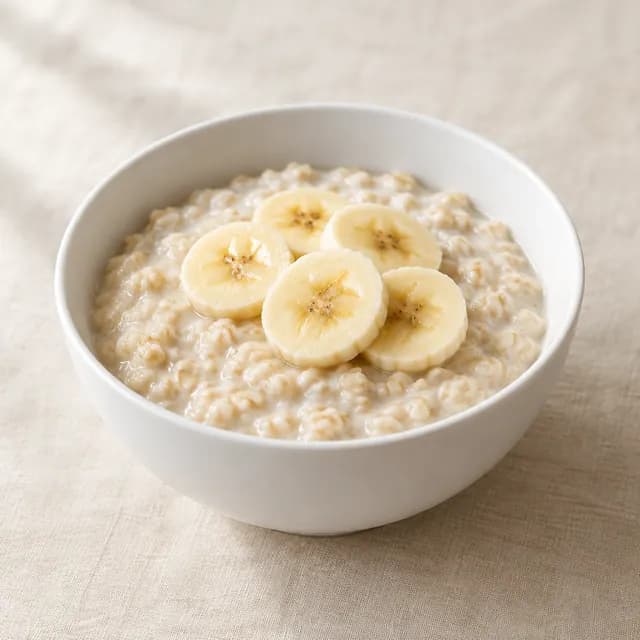 Oats
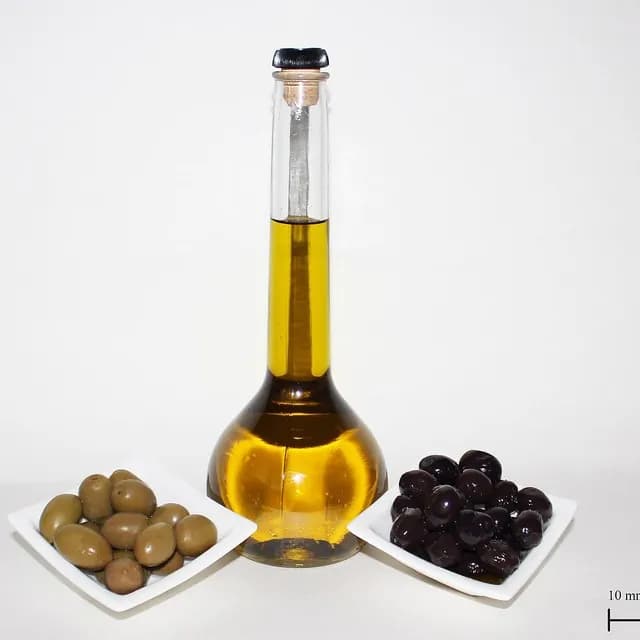 Olive oil
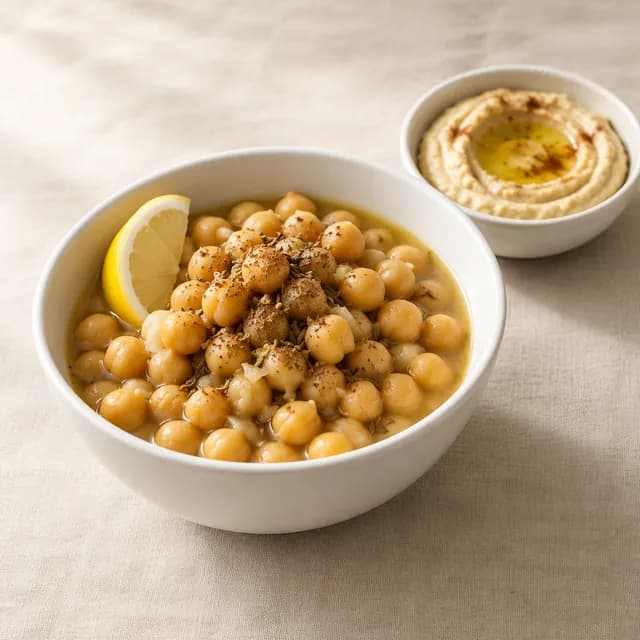 Beans and lentils
 Water
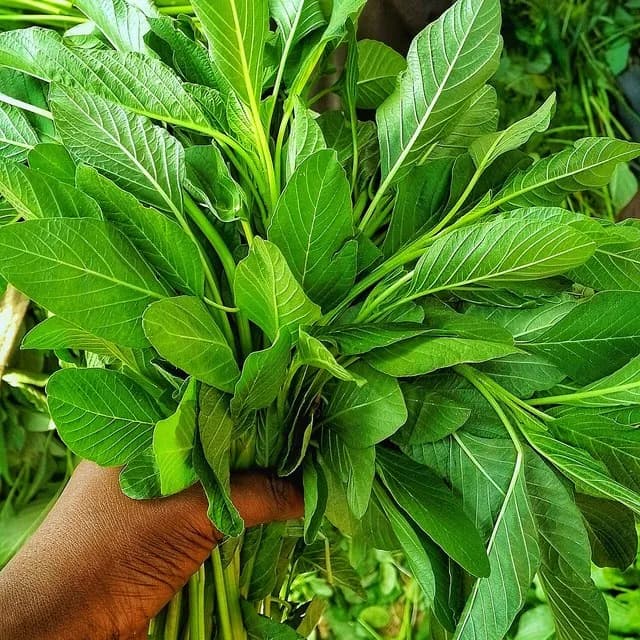 Vegetables
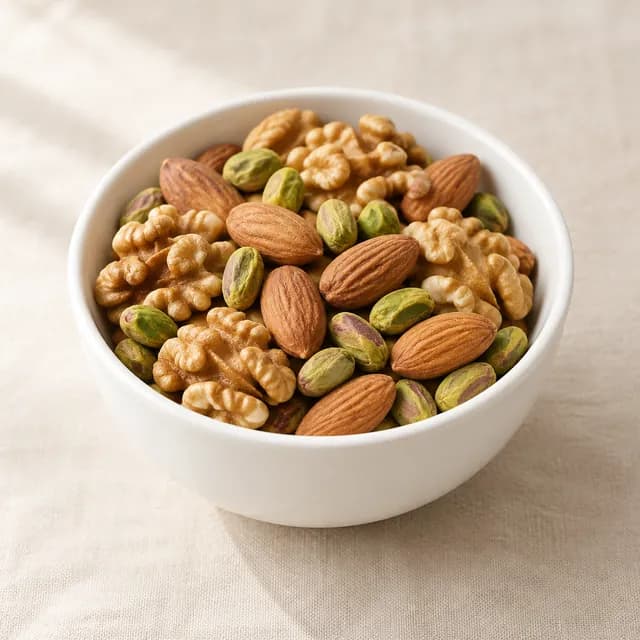 Nuts
 Eggs
 Sleeping early
 Daily exercise
What to limit or avoid
 White rice
 Pastries and white bread
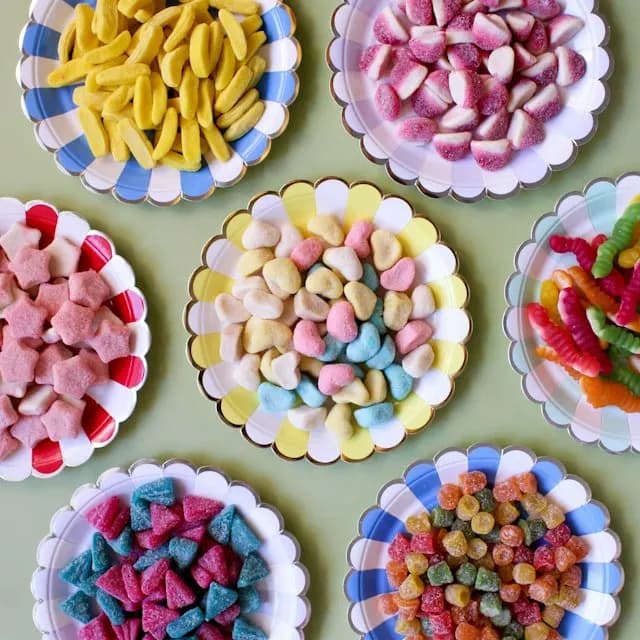 Sweets
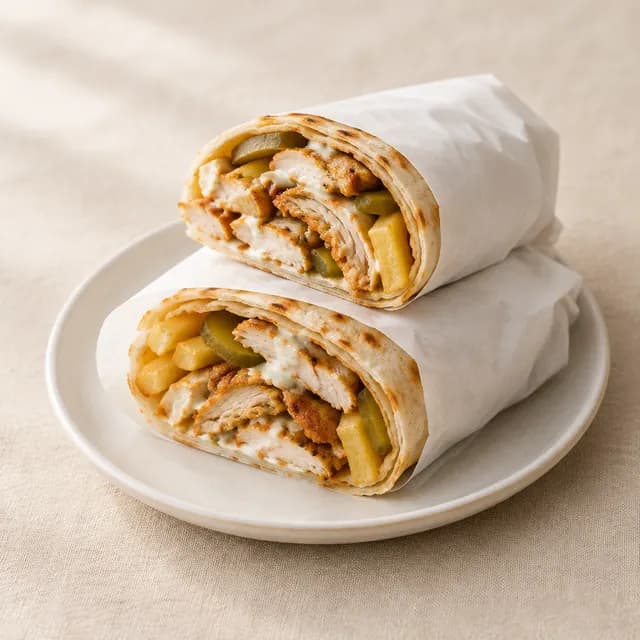 Fried and fast food
 Fizzy drinks
 Processed meat
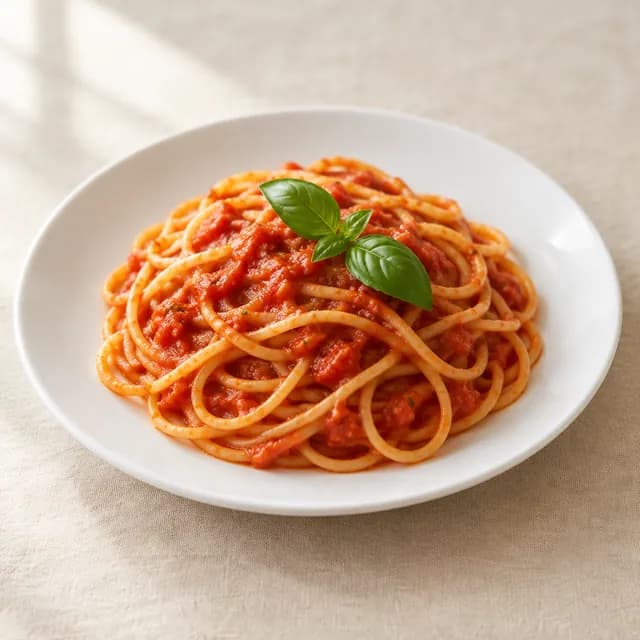 White flour
 Packaged juice
 Smoking
 Stress and worry
 Too little movement
 Sleeping late
A sample day
- BreakfastAn egg with cucumber and tomatoes, plus a small slice of wholegrain bread.
- LunchGrilled fish or chicken, plenty of salad and a small portion of bulgur.
- SnackA small portion of whole fruit with plain unsweetened yogurt.
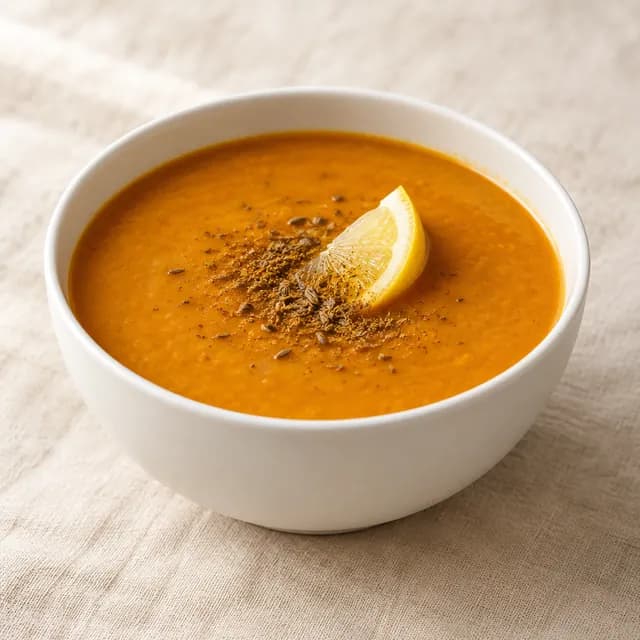
- DinnerVegetable and lentil soup with plain unsweetened yogurt. Lentils provide carbohydrate as well as protein.
Everyday tips
- Cut down large portions of white rice. Your overall carbohydrate portions should fit the meal plan agreed with your care team.
- Keep carbohydrate portions consistent. If you take insulin or medicines that can cause low blood sugar, ask your care team before skipping meals or sharply reducing carbohydrates.
When to see the doctor
- Your sugar readings are often above the target your doctor set.
- You have episodes of low sugar: shaking, sweating, sudden hunger or confusion.
- You lose weight without trying, or a wound on your foot is slow to heal.
Urgent: Chest pain, breathlessness, fainting or confusion need emergency care now.
General advice for adults. It does not replace the advice of your own doctor or dietitian, especially if you have kidney disease or take several medicines. Do not stop or change a medicine without asking your doctor.
Why these choices?
- Carbohydrate amount influences blood sugar. Smaller portions of refined starch and fewer sugary drinks help manage the rise after meals.
- Vegetables, lean protein and fibre-rich starches make balanced meals; whole fruit is generally preferable to juice.
- White rice is in the red column to encourage cutting down large portions. The advice is about the overall meal and your individual glucose targets.
References
Scan to open this guide
Point your phone camera at the code to read this guide again or share it with your family.
drkarzan.com/tr/guides/diabetes-food
Clinic phone numbers
- Korek:+964 750 135 8788
- Asia:+964 773 135 8787
Dr. Karzan Mohammed Abdullah's clinic · Zanko Hastanesi, Erbil