
 Dr. Karzan Abdullah
ClinicDr. Karzan Mohammed Abdullah
Patient food guide
IBS food guide
Regular meals and a few targeted changes can ease irritable bowel syndrome. Triggers vary: use your symptoms to guide changes instead of excluding many foods at once.

Make it work day to day
Eat slowly and at regular times. Drink water throughout the day, following any fluid restriction from your doctor.
- Track food, portions, symptoms and stress together. Change one thing at a time and avoid leaving long gaps between meals.
- Build gentle daily activity and time to relax into your routine. Seek support to stop smoking and reduce excess caffeine.
What to eat more often
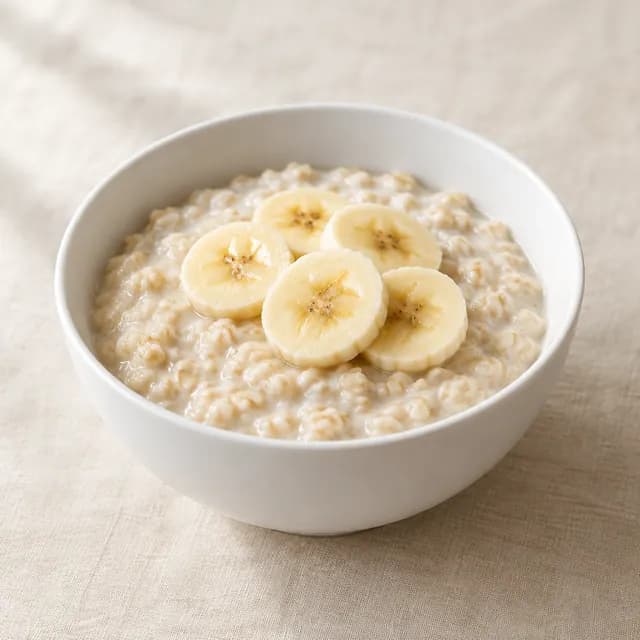 Oats: introduce gradually
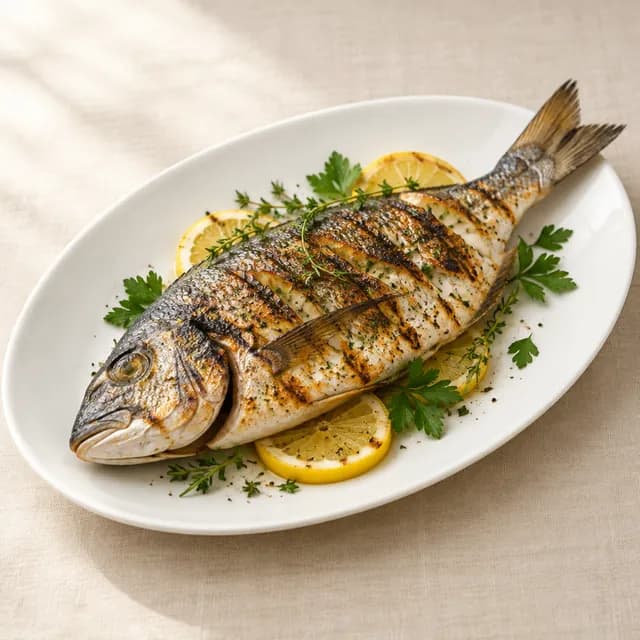 Plain fish, chicken or eggs
 Regular, smaller meals
 Water and non-caffeinated drinks
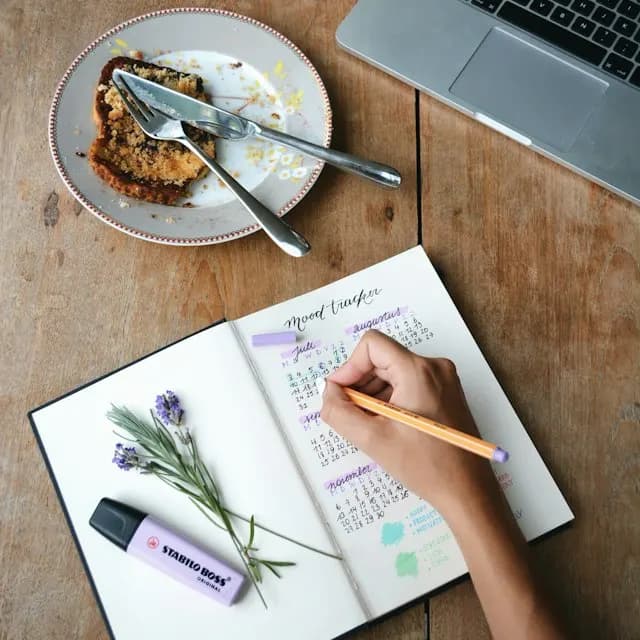 Food and symptom diary
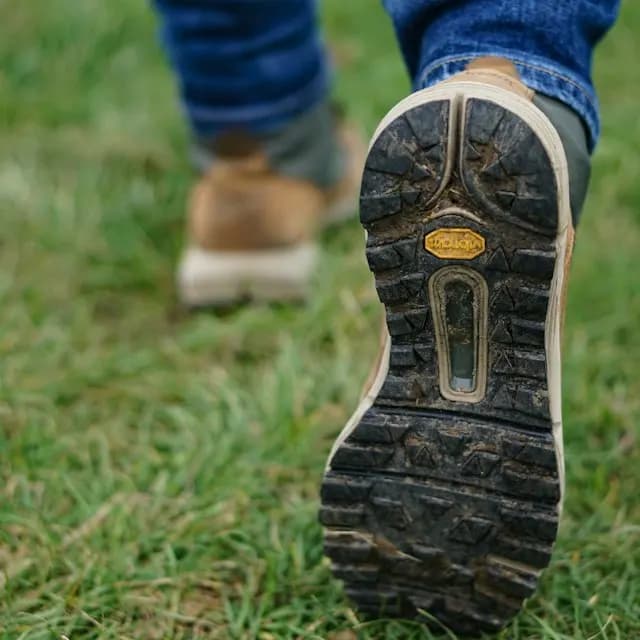 Walking and time to relax
 Plain potatoes in a balanced meal
 Rice in a portion you tolerate
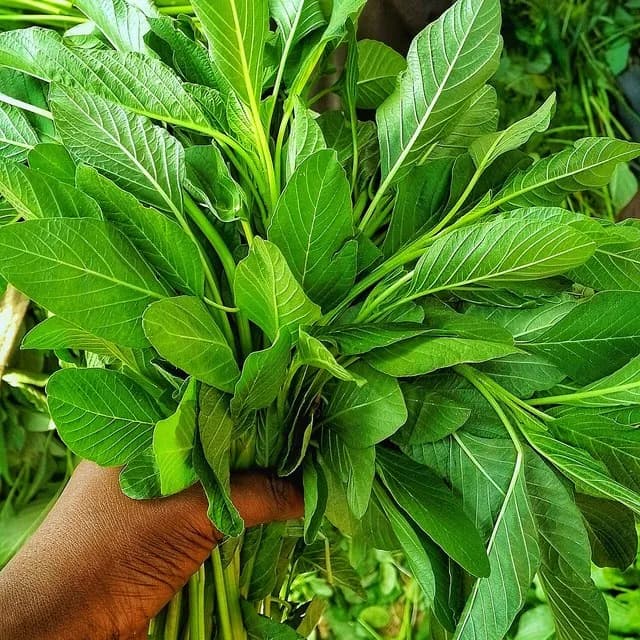 Vegetables you tolerate, cooked if easier
What to limit or avoid
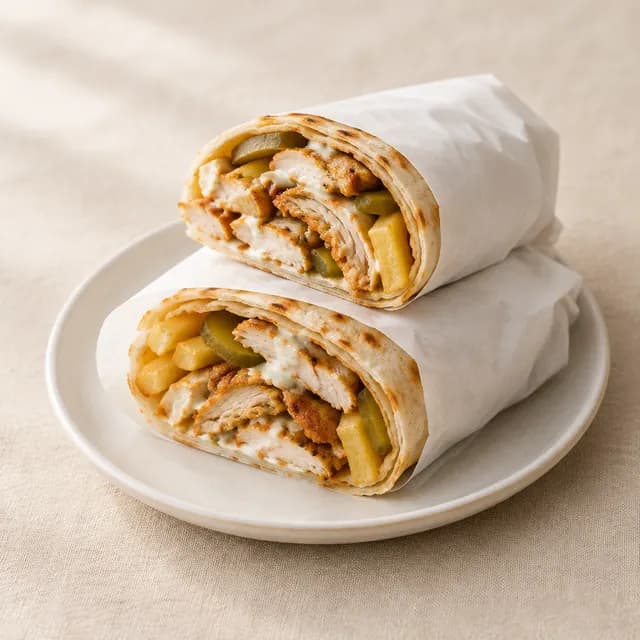 Fatty, fried or spicy meals if triggering
 Fizzy drinks if they cause bloating
 Too much tea, coffee or energy drinks
 Smoking
 Sorbitol and other polyols if diarrhoea
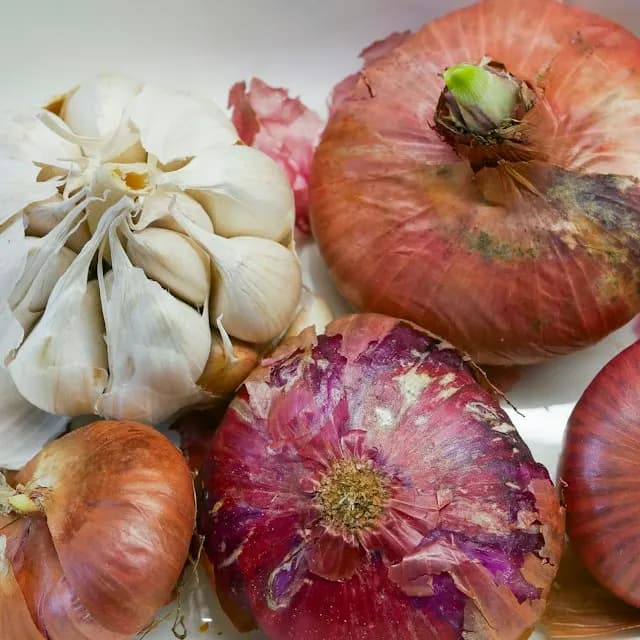 Onion and garlic if they trigger symptoms
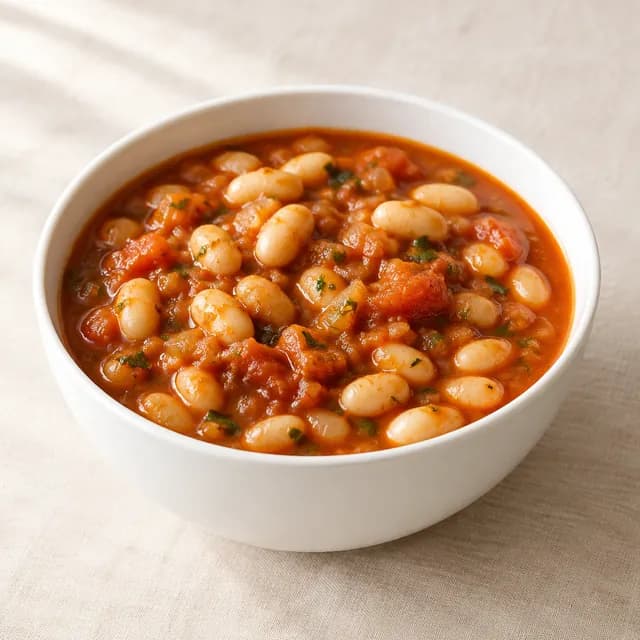 Beans and lentils if they cause bloating
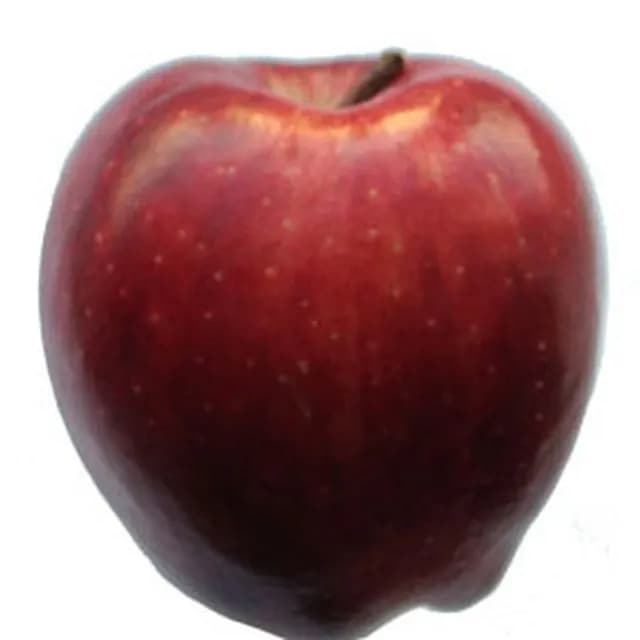 Apples and pears if poorly tolerated
 Lactose-containing milk if intolerant
A sample day
- BreakfastPorridge made with oats and milk you tolerate; use lactose-free milk if needed.
- LunchPlain grilled chicken with potatoes and cooked vegetables you tolerate.
- SnackA small snack you tolerate, such as plain or lactose-free yogurt.
- DinnerFish with a small portion of rice and carrots; adjust ingredients using your symptom diary.
Everyday tips
- Eat slowly and at regular times. Drink water throughout the day, following any fluid restriction from your doctor.
- Track food, portions, symptoms and stress together. Change one thing at a time and avoid leaving long gaps between meals.
- Build gentle daily activity and time to relax into your routine. Seek support to stop smoking and reduce excess caffeine.
- These lists are a starting point. Portions and personal tolerance matter.
When to see the doctor
- Seek review if symptoms are new, persist or change, or diet changes are not helping.
- Ask a dietitian about a time-limited low-FODMAP trial followed by food reintroduction.
- Discuss coeliac testing before removing gluten; lactose restriction is only needed if it triggers symptoms.
Urgent: Heavy rectal bleeding, black stools, fainting or severe persistent abdominal pain need urgent care. Unexplained weight loss, anaemia or blood in the stool need prompt assessment.
General advice for adults. It does not replace the advice of your own doctor or dietitian, especially if you have kidney disease or take several medicines. Do not stop or change a medicine without asking your doctor.
Why these choices?
- IBS affects bowel sensitivity and function. Foods that trigger bloating or diarrhoea in one person may be well tolerated by another.
- Smaller regular meals, enough fluid, gentle activity and less caffeine can help. For constipation, soluble fibre such as oats may be better tolerated than wheat bran; increase gradually.
- Onion, garlic, some beans, apples, pears and lactose can trigger symptoms in some people because of fermentable carbohydrates. A low-FODMAP trial should be short and dietitian-led, with reintroduction to find your own limits.
- Gluten-free and lactose-free diets are not routine requirements. Get coeliac testing before removing gluten, and restrict lactose only when symptoms justify it.
References
Scan to open this guide
Point your phone camera at the code to read this guide again or share it with your family.
drkarzan.com/tr/guides/ibs-food
Clinic phone numbers
- Korek:+964 750 135 8788
- Asia:+964 773 135 8787
Dr. Karzan Mohammed Abdullah's clinic · Zanko Hastanesi, Erbil