

We’re here to help
Your guide to heart health, in plain words.
Common conditions
- Vitamin B12 deficiencyLow vitamin B12, from diet or poor absorption. It can cause tiredness, memory problems, numbness and anaemia, and is easy to treat once found.
- ThyroiditisInflammation of the thyroid gland. Most types follow a predictable course and settle with the right monitoring and treatment.
- Heart failureThe heart muscle is not pumping or filling as well as it should, so the body receives less than it needs.
- Atrial fibrillationAn irregular, often fast heartbeat that starts in the upper chambers and raises the risk of stroke.
- High blood pressurePressure in the arteries stays too high. It rarely causes symptoms, but it strains the heart and blood vessels over time.
- High cholesterolToo much cholesterol in the blood, which can build up in artery walls over many years.
- Coronary artery diseaseThe arteries that supply the heart muscle become narrowed by fatty plaque.
- CardiomyopathyA disease of the heart muscle itself, which may become thickened, stretched or stiff.
- Heart valve diseaseOne of the heart's four valves does not open fully or does not close properly.
- AnginaChest discomfort, usually on exertion, when the heart muscle briefly gets too little blood.
- ArrhythmiaA heartbeat that is too fast, too slow or irregular, caused by a problem in the heart's electrical system.
- Diabetes and the heartDiabetes raises the risk of heart and blood vessel disease, so the two are best managed together.
 Vitamin B12 deficiencyLow vitamin B12, from diet or poor absorption. It can cause tiredness, memory problems, numbness and anaemia, and is easy to treat once found.
 ThyroiditisInflammation of the thyroid gland. Most types follow a predictable course and settle with the right monitoring and treatment.
 Heart failureThe heart muscle is not pumping or filling as well as it should, so the body receives less than it needs.
 Atrial fibrillationAn irregular, often fast heartbeat that starts in the upper chambers and raises the risk of stroke.
 High blood pressurePressure in the arteries stays too high. It rarely causes symptoms, but it strains the heart and blood vessels over time.
 High cholesterolToo much cholesterol in the blood, which can build up in artery walls over many years.
 Coronary artery diseaseThe arteries that supply the heart muscle become narrowed by fatty plaque.
 CardiomyopathyA disease of the heart muscle itself, which may become thickened, stretched or stiff.
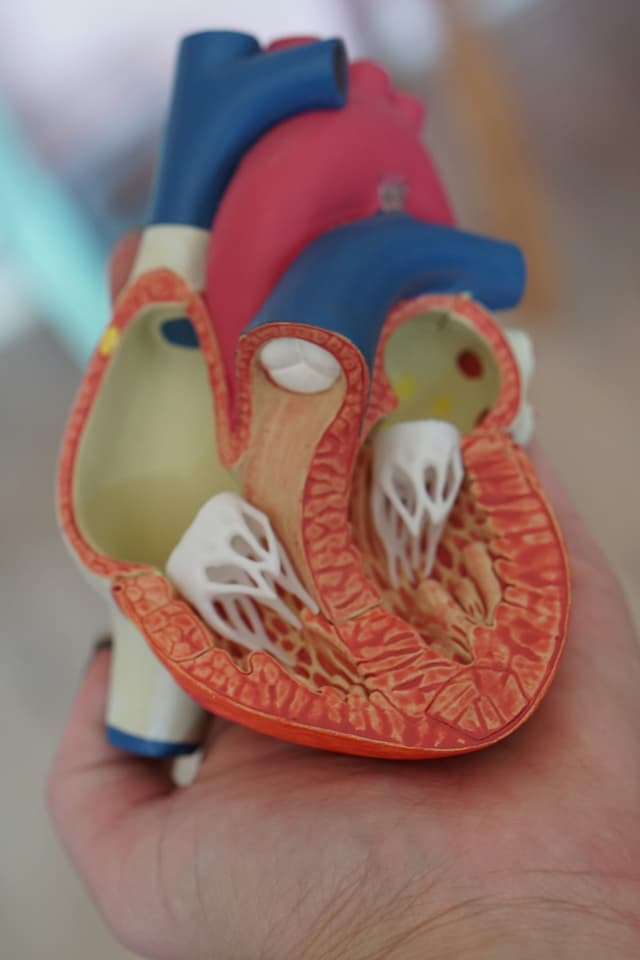 Heart valve diseaseOne of the heart's four valves does not open fully or does not close properly.
 AnginaChest discomfort, usually on exertion, when the heart muscle briefly gets too little blood.
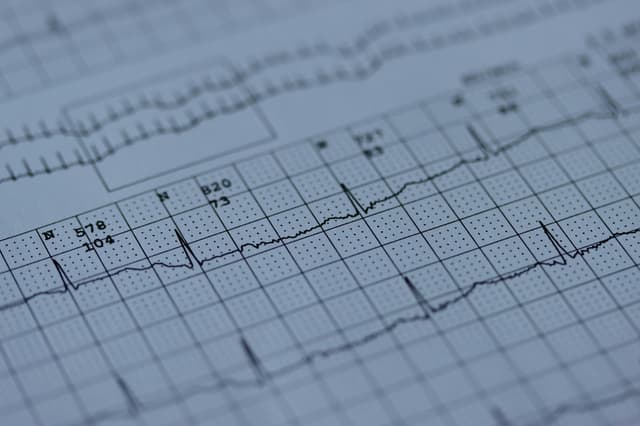 ArrhythmiaA heartbeat that is too fast, too slow or irregular, caused by a problem in the heart's electrical system.
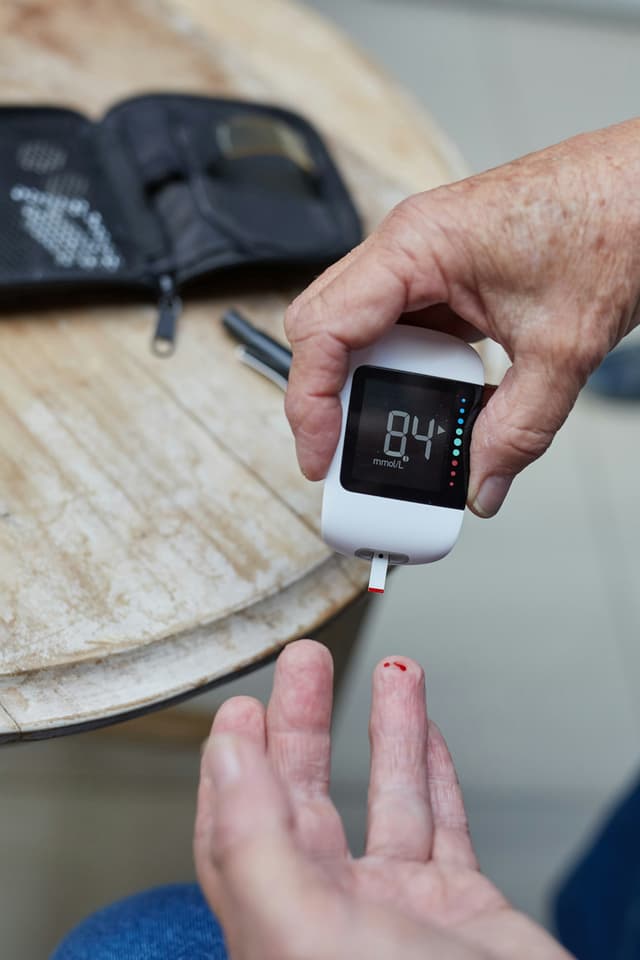 Diabetes and the heartDiabetes raises the risk of heart and blood vessel disease, so the two are best managed together.
Tests and investigations
Available in clinic
Hospital referral
Common guides
Printable food guides for conditions that often come with heart disease.
- Diabetes food guideFood choices, balanced portions and meal ideas for managing blood sugar.Open the guide
- Weight loss food guideBalanced portions, practical meal ideas and habits you can sustain.Open the guide
- Hypertension food guideLess salt, more fresh food, a calmer blood pressure.Open the guide
- Gout food guideThe foods that raise uric acid, and the ones that help.Open the guide
- IBS food guideRegular meals and a few targeted changes can ease irritable bowel syndrome. Triggers vary: use your symptoms to guide changes instead of excluding many foods at once.Open the guide
- IBD food guideCrohn’s disease and ulcerative colitis need a nutrition plan that changes with disease activity. Eating well supports treatment; diet changes do not replace your IBD medicines.Open the guide
- CKD food guideA kidney-friendly diet starts with less salt and enough nutrition. Potassium, phosphate, protein and fluid targets depend on your blood tests, kidney function and whether you have dialysis.Open the guide










Book an appointment
Consulting hours
- Saturday
- 3:00 pm – 7:00 pm
- Sunday
- 3:00 pm – 7:00 pm
- Monday
- 3:00 pm – 7:00 pm
- Tuesday
- 3:00 pm – 7:00 pm
- Wednesday
- 3:00 pm – 7:00 pm
- Thursday
- 3:00 pm – 7:00 pm
- Friday
- Closed